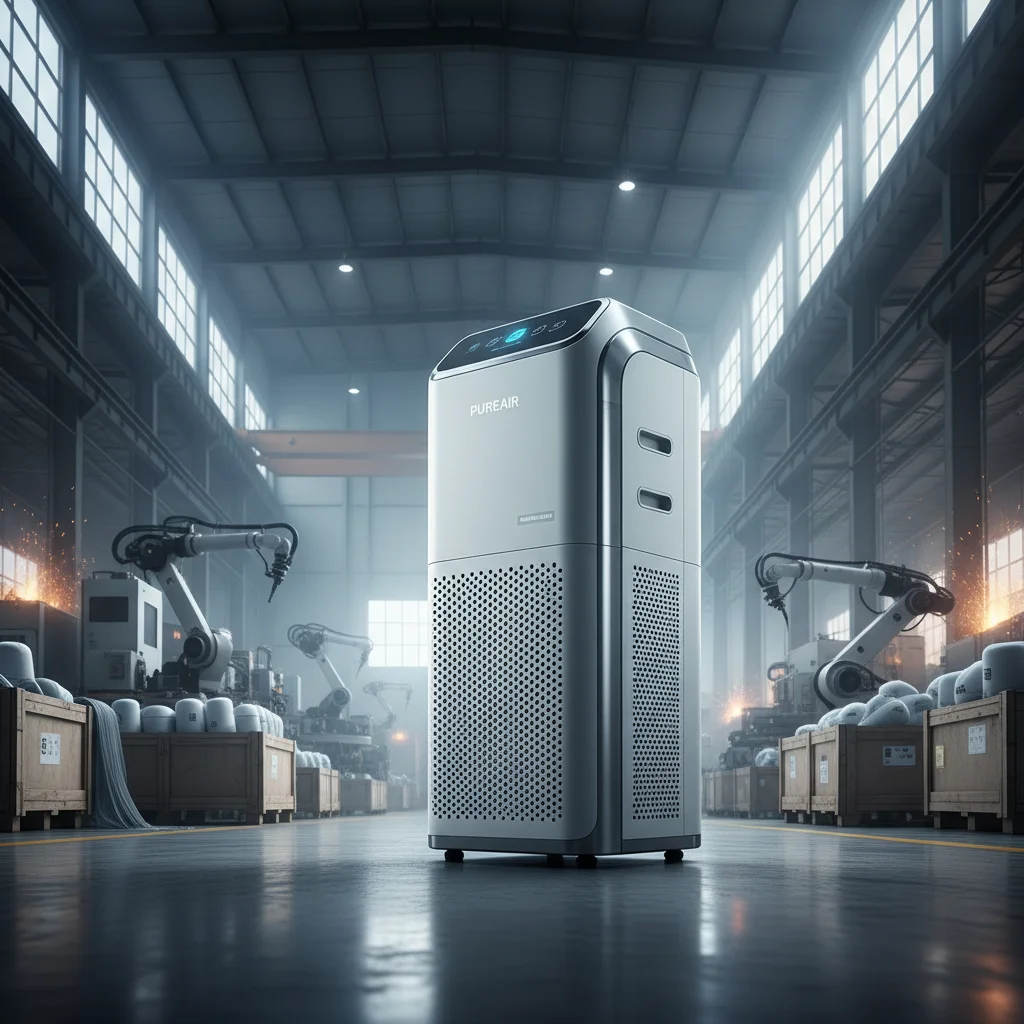
Air disinfection machines represent a critical advancement in indoor air quality control, becoming increasingly vital in a world facing heightened health concerns and a growing awareness of the impact of airborne pathogens. These devices, leveraging technologies like HEPA filtration, UV-C sterilization, and ionization, aim to remove or neutralize harmful particles – viruses, bacteria, allergens, and volatile organic compounds – ensuring cleaner and safer environments. The global demand for effective air purification solutions is rapidly escalating, driven by factors such as increasing urbanization, industrialization, and the emergence of infectious disease outbreaks, making the understanding and implementation of air disinfection machine technology paramount.
The relevance of air disinfection machine extends far beyond healthcare settings. They are now integral to maintaining healthy environments in schools, offices, public transportation, manufacturing facilities, and even homes. According to the World Health Organization, air pollution contributes to millions of deaths annually, underscoring the urgent need for proactive air quality management. Furthermore, international standards like ISO 14644-1 guide cleanroom environments, highlighting the critical role of filtration and disinfection. This burgeoning demand necessitates robust, reliable, and accessible air disinfection solutions.
The current focus isn't solely on removing visible dust; it’s about combating microscopic threats that can significantly impact health and productivity. This has led to innovation in air disinfection technology, including the integration of smart sensors and IoT connectivity for real-time monitoring and automated control. Effectively deploying air disinfection machine requires a nuanced understanding of their capabilities, limitations, and proper maintenance protocols to ensure optimal performance and safeguard public health.
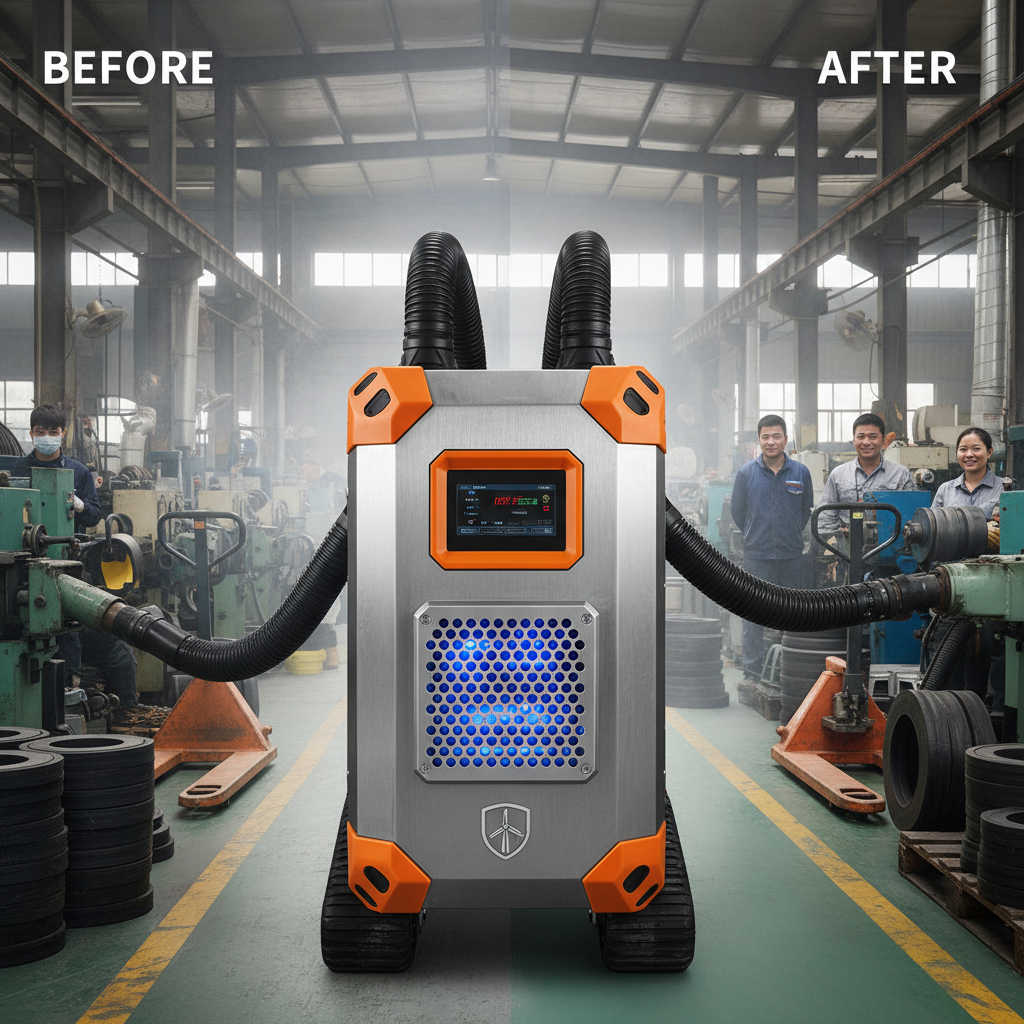
The Global Importance of Air Disinfection Machine
The imperative for effective air disinfection is globally recognized, propelled by escalating concerns over indoor air quality and its direct link to human health. The COVID-19 pandemic underscored the rapid spread of airborne viruses, emphasizing the inadequacy of traditional ventilation systems in many environments. This has spurred increased investment in research and development, resulting in more advanced air disinfection machine technologies.
The impact extends beyond pandemic response. Chronic exposure to poor indoor air quality contributes to respiratory illnesses, allergies, and cardiovascular disease, impacting productivity and overall well-being. Industries like healthcare, food processing, and pharmaceuticals demand stringent air purification standards to prevent contamination and ensure product safety. Therefore, a comprehensive approach to air disinfection, leveraging sophisticated machine technology, is no longer a luxury but a necessity.
Defining Air Disinfection Machine
An air disinfection machine is a device designed to eliminate or reduce the concentration of airborne contaminants, including viruses, bacteria, fungi, allergens, dust, and volatile organic compounds (VOCs). Unlike simple air purifiers that primarily remove particulate matter, air disinfection machines actively neutralize microorganisms, preventing their reproduction and spread.
This is achieved through various technologies, most notably High-Efficiency Particulate Air (HEPA) filtration, Ultraviolet Germicidal Irradiation (UVGI), and ionization. HEPA filters physically trap particles, while UVGI utilizes UV-C light to disrupt the DNA of microorganisms, rendering them harmless. Ionization creates charged particles that attach to contaminants, causing them to fall out of the air. These technologies are often combined to maximize effectiveness.
In essence, an air disinfection machine is a crucial component of a holistic indoor air quality management strategy, playing a key role in creating healthier and safer environments across a diverse range of applications, from healthcare facilities to manufacturing plants.
Key Components and Operational Principles
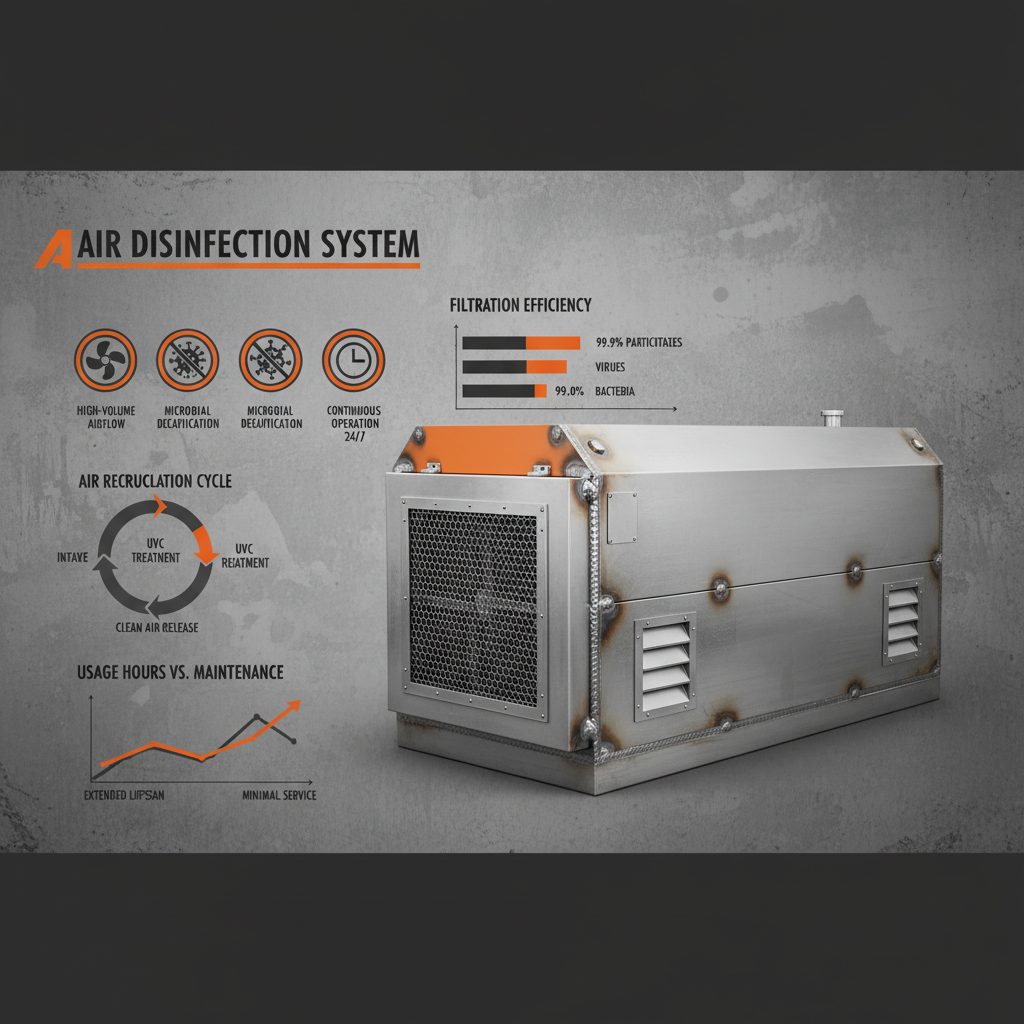
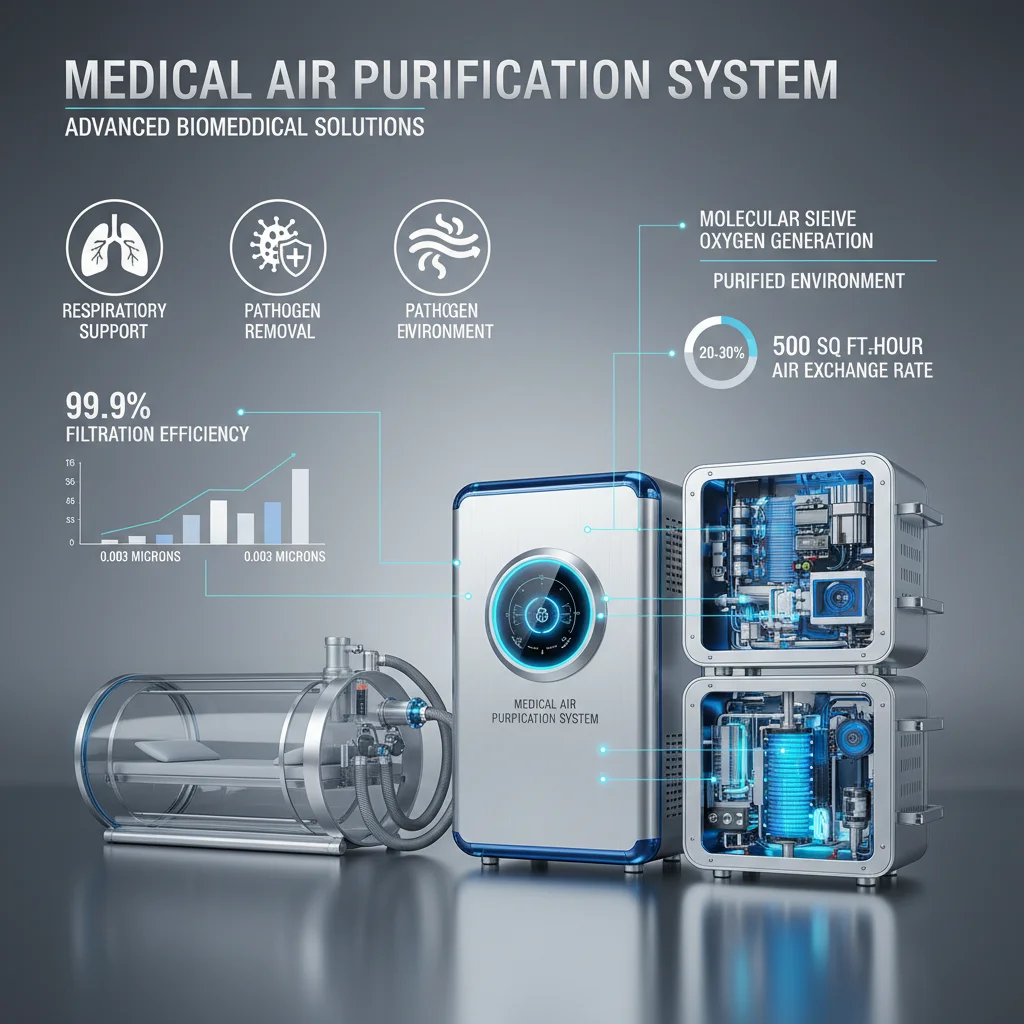
The efficacy of an air disinfection machine hinges on the synergy of several key components. At the heart of most systems is the filtration mechanism, typically employing HEPA filters capable of capturing 99.97% of particles 0.3 microns in size. The fan system is crucial for drawing air through the filters and ensuring sufficient airflow to adequately clean the space.
UV-C lamps, where present, utilize short-wavelength ultraviolet light to damage the DNA and RNA of microorganisms, preventing their replication. The intensity and duration of UV-C exposure are critical factors in determining disinfection effectiveness. Advanced models incorporate sensors to monitor UV-C lamp performance and ensure optimal disinfection levels.
Control systems, ranging from simple on/off switches to sophisticated digital interfaces, allow users to adjust fan speeds, monitor filter life, and access real-time air quality data. Smart features, such as automatic operation based on air quality sensor readings, are becoming increasingly common, optimizing energy efficiency and maintaining consistent air quality.
Global Applications and Diverse Use Cases
The applications of air disinfection machine are remarkably diverse, spanning a wide spectrum of industries and environments. In healthcare settings, they are essential for infection control, particularly in operating rooms, isolation wards, and intensive care units. Food processing facilities utilize these machines to maintain hygiene standards and prevent contamination of food products.
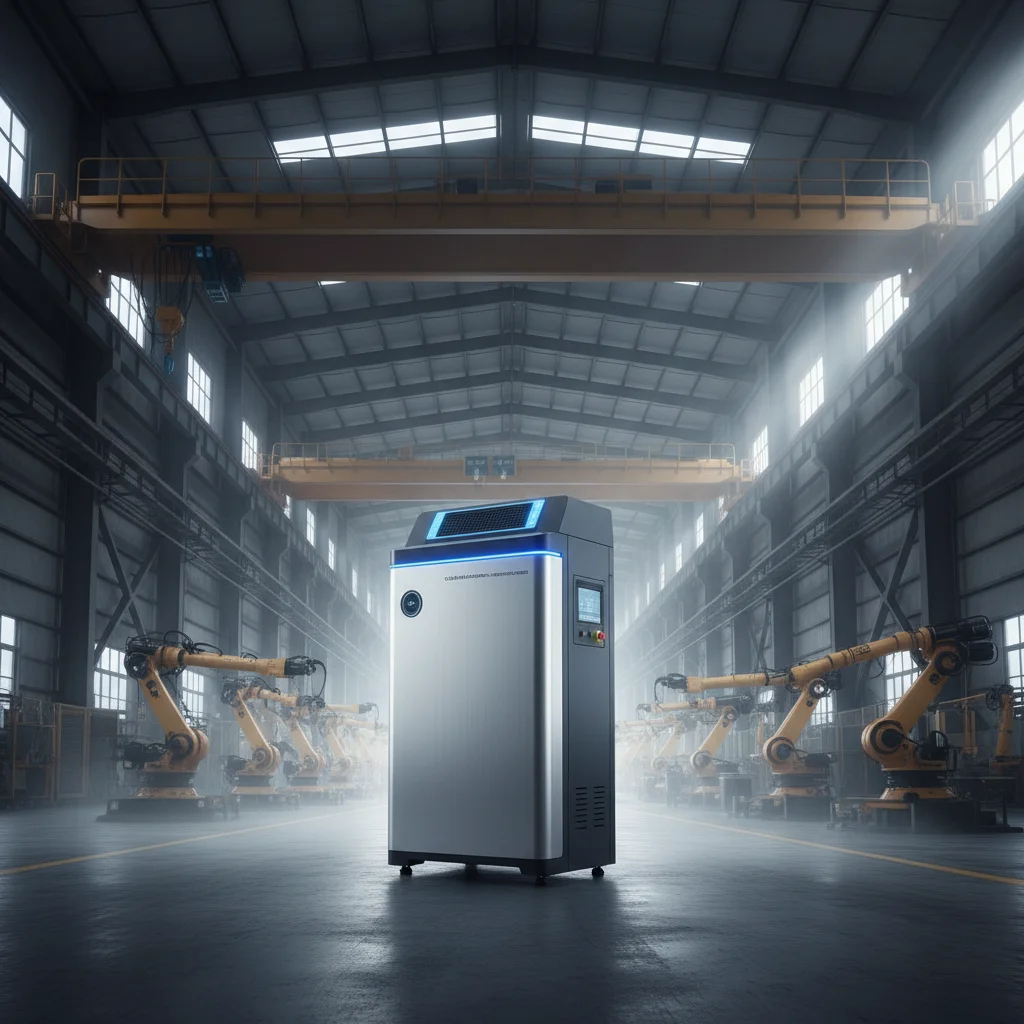
The education sector benefits from improved air quality in classrooms, reducing the spread of illnesses and enhancing student concentration. Manufacturing facilities, especially those dealing with sensitive materials, employ air disinfection machines to maintain cleanroom environments. In post-disaster relief operations, portable air disinfection units provide critical support for emergency response teams and displaced populations.
Even residential applications are growing, as homeowners seek to improve indoor air quality and protect their families from allergens and airborne pathogens. The demand for reliable and effective air disinfection machine is globally distributed, with significant market growth in regions experiencing rapid industrialization and increasing environmental awareness.
Comparative Effectiveness of Air Disinfection Machine Methods
Advantages and Long-Term Value Proposition
Investing in an air disinfection machine yields substantial long-term benefits, extending beyond immediate health improvements. The primary advantage lies in reduced healthcare costs associated with respiratory illnesses and infectious diseases, translating to lower absenteeism in workplaces and schools. Improved air quality also boosts productivity and cognitive function, fostering a more efficient and engaged workforce.
From a sustainability perspective, some air disinfection machines incorporate energy-efficient designs and utilize environmentally friendly filtration materials, minimizing their carbon footprint. Furthermore, the enhanced safety and well-being provided by cleaner air contribute to a positive brand image and increased customer loyalty. These are not merely technological benefits but also promote trust and demonstrate a commitment to public health.
Future Trends and Technological Innovations
The future of air disinfection machine technology is poised for significant advancements. The integration of artificial intelligence (AI) and machine learning (ML) will enable machines to optimize performance based on real-time environmental data and predict potential air quality issues. Nanomaterial-based filters are being developed to enhance particle capture efficiency and reduce energy consumption.
Moreover, the development of portable and wearable air disinfection devices will provide personalized air purification solutions. Emphasis will also be placed on developing more sustainable and eco-friendly materials for filter construction and machine components, aligning with the growing global focus on environmental responsibility. The convergence of these technologies will redefine air quality management.
Challenges and Sustainable Solutions
Despite the advancements, challenges remain in the widespread adoption of air disinfection machine. High initial costs can be a barrier for some organizations and individuals. Proper maintenance, including regular filter replacement and UV-C lamp calibration, is crucial but often overlooked. Concerns regarding the potential generation of ozone by some UV-C systems also require careful consideration.
To overcome these obstacles, innovative financing models, such as leasing and subscription services, can make air disinfection technology more accessible. Developing user-friendly maintenance schedules and remote monitoring capabilities can improve adherence to recommended protocols. Furthermore, prioritizing the development of ozone-free UV-C technologies and implementing robust safety features are essential.
A sustainable solution also involves promoting responsible filter disposal and recycling programs to minimize environmental impact. A holistic approach, encompassing technological innovation, affordability, and user education, is vital for ensuring the long-term success of air disinfection machine.
A Comprehensive Overview of Air Disinfection Machine Performance Metrics
| Filtration Efficiency |
Disinfection Rate |
Energy Consumption |
Noise Level |
| 99.97% (HEPA) |
99.9% (UV-C) |
50W |
45 dB |
| 99.95% (HEPA) |
95% (UV-C) |
60W |
50 dB |
| 99.8% (HEPA) |
98% (UV-C) |
75W |
55 dB |
| 99.7% (HEPA) |
90% (UV-C) |
40W |
40 dB |
| 99.6% (HEPA) |
85% (UV-C) |
80W |
60 dB |
| 99.5% (HEPA) |
80% (UV-C) |
55W |
48 dB |
FAQS
HEPA filters physically remove airborne particles by trapping them within a dense mesh, effectively capturing dust, pollen, and some microorganisms. UV-C purifiers, however, use ultraviolet light to destroy the DNA of microorganisms, rendering them harmless. HEPA filters are excellent for particulate matter, while UV-C is better for tackling viruses and bacteria. Many effective air disinfection machine combine both technologies.
The frequency of filter replacement depends on usage and air quality conditions. Generally, HEPA filters should be replaced every 6-12 months, while pre-filters may need replacing more frequently (every 1-3 months). Check the manufacturer’s recommendations and monitor filter saturation indicators. Replacing filters regularly ensures optimal performance of your air disinfection machine.
While UV-C light is effective at disinfection, direct exposure can be harmful to skin and eyes. Reputable air disinfection machine are designed with shielded UV-C lamps to prevent exposure. However, it's crucial to ensure the unit is functioning correctly and that the UV-C lamp is properly contained. Never attempt to bypass safety features.
The appropriate size depends on the room’s square footage and ceiling height. Manufacturers typically specify a Clean Air Delivery Rate (CADR) for their machines, indicating how quickly they can clean a given volume of air. Calculate the room’s volume (length x width x height) and choose a machine with a CADR sufficient for at least 4-5 air changes per hour.
While HEPA filters primarily target particulate matter, many air disinfection machine incorporate activated carbon filters, which are highly effective at absorbing odors and VOCs. The amount of activated carbon and its quality significantly impact performance. Look for machines with substantial carbon filters for optimal VOC removal.
Air purifiers generally focus on removing particulate matter like dust and pollen, using filters like HEPA. Air disinfection machines go a step further by actively neutralizing airborne pathogens – viruses, bacteria, and fungi – using technologies like UV-C light or ionization. While some overlap exists, air disinfection machine offer a more comprehensive approach to air quality.
Conclusion
In conclusion, air disinfection machine represent a crucial investment in public health and well-being. From combating infectious diseases to improving indoor air quality, these technologies offer substantial benefits across a broad range of applications. Understanding their operational principles, key components, and future trends is essential for maximizing their effectiveness and ensuring a healthier environment for all.
Looking ahead, continued innovation in air disinfection technology, coupled with increased awareness and accessibility, will be critical for addressing the global challenge of indoor air pollution. By embracing these advancements and prioritizing air quality management, we can create safer, healthier, and more productive spaces for generations to come. Visit our website at www.gyfsilicone.com to explore our range of advanced air disinfection solutions.